

 Chris Edwards
Ever wondered just how fast cruise ships go? It’s a common question, considering these massive cruise ships are essentially floating cities. Let’s dive into the mechanics behind cruise ship speed and uncover the secrets of how fast cruise ships can go. We’ll explore everything from average speed to top speed, and compare it to other modes of transportation.
Understanding Cruise Ship Speed
What is Speed in Maritime Terms?
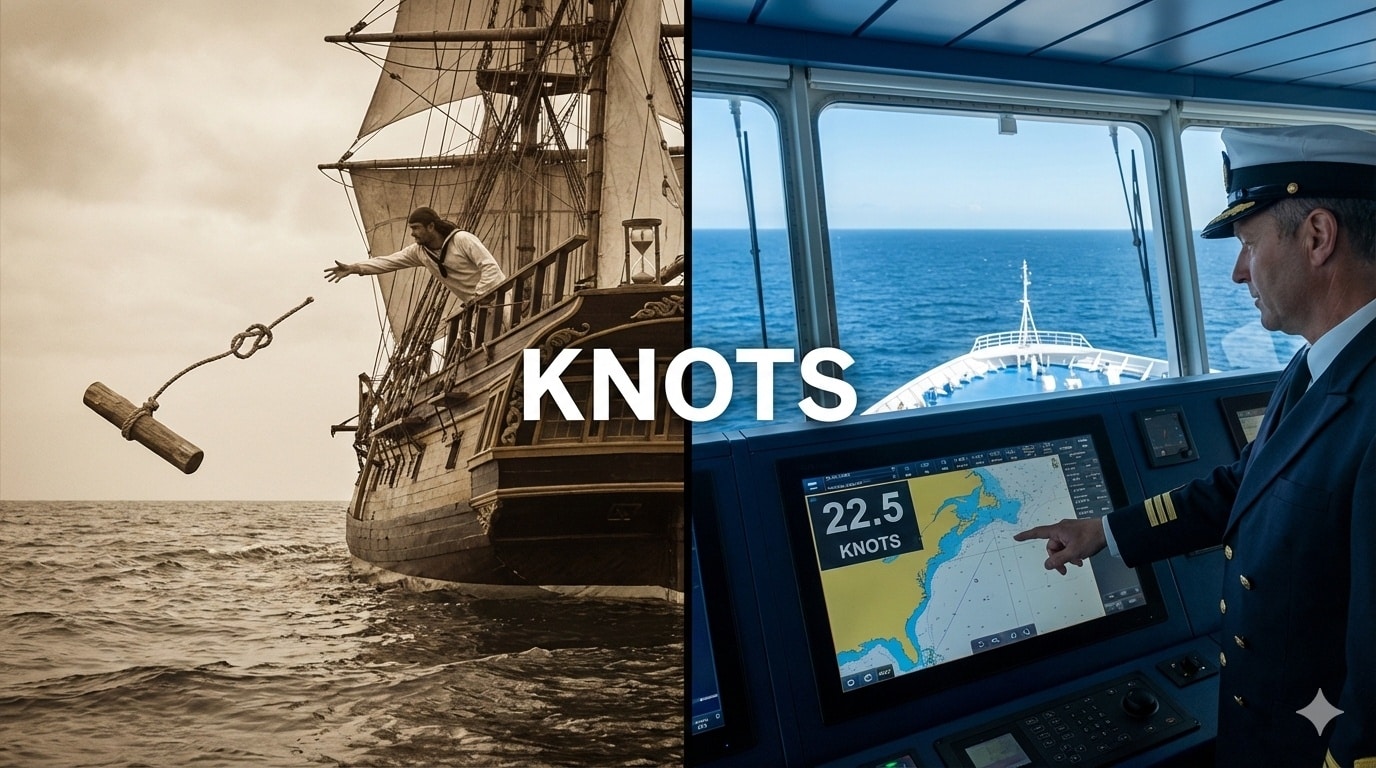
When we talk about the speed of a cruise ship, we’re not using miles per hour like on land. Instead, maritime navigation relies on knots. Understanding this unit is crucial to grasping how fast these ships can go. It’s a unique system rooted in nautical history, designed for precision at sea.
Knots: The Language of Speed
So, what exactly is a knot? One knot equals one nautical mile per hour, which is approximately 1.15 miles per hour on land. This measurement accounts for the curvature of the Earth, making it ideal for navigation. When someone asks, “How fast does a cruise ship go?”, the answer will always be in knots.
Average Speed vs. Maximum Speed
An average cruise ship typically maintains a cruising speed of around 20 knots to 25 knots. This equates to roughly 23 to 29 miles per hour. However, the top speed of a cruise ship can be higher. Most modern cruise ships are capable of bursts up to a top speed of 30 knots. While that may not seem blazing fast, it’s impressive for a vessel of that size.
To put it into perspective, imagine a car trying to keep up. The speed seems slow to naval destroyers, as they go faster, but cruise ships are capable of sustained cruise ship travel.
How Fast Do Cruise Ships Generally Go?
Average Speeds of Modern Cruise Ships
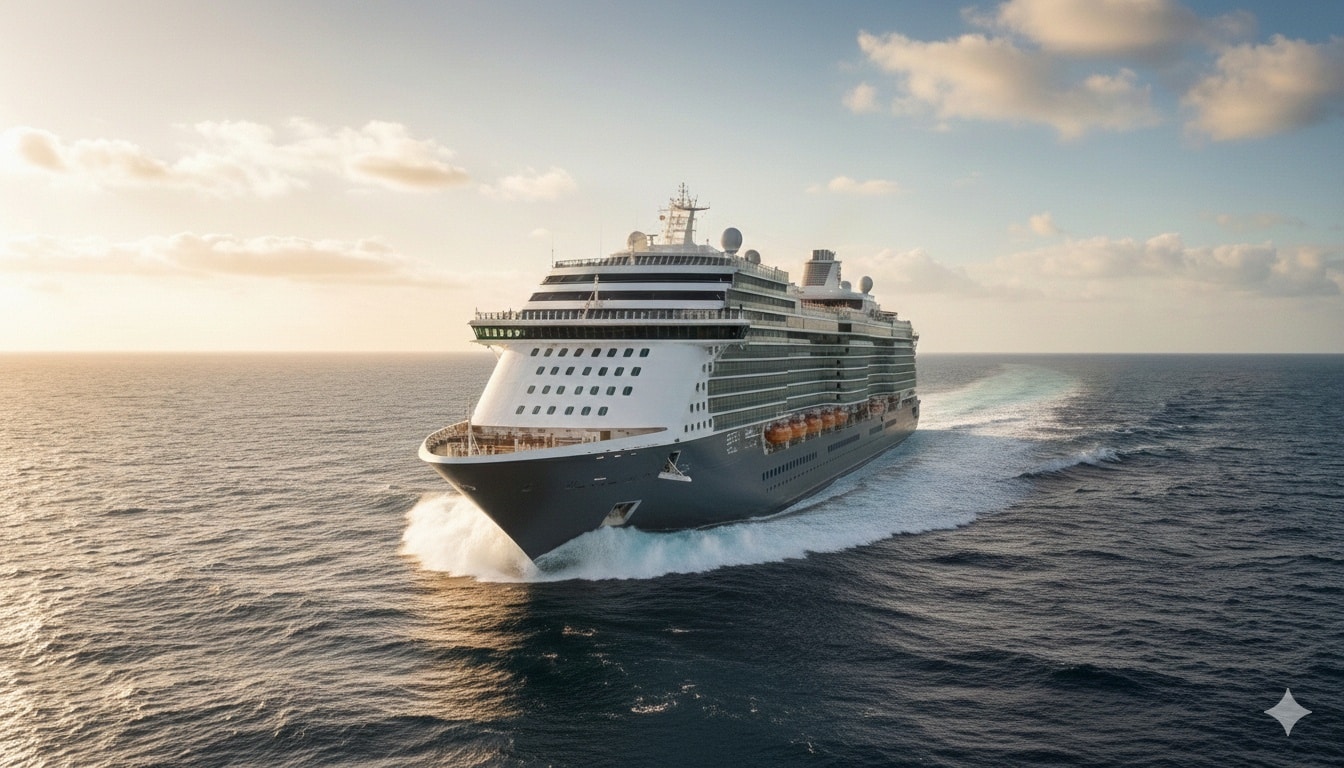
The average speed of a modern cruise ship typically falls between 20 knots and 25 knots. This cruising speed is ideal for balancing fuel efficiency with the need to cover vast distances. A modern cruise is designed to prioritize comfort and stability. This average cruising speed is what you can expect during most of your journey.
Comparing Speeds: Cruise Ships vs. Other Vessels
How does a cruise ship’s speed compare to other vessels? A typical car travels much faster, often exceeding 60 miles per hour. Naval ships go faster, like destroyers, can reach top speeds of 35 knots or more. Even the fastest cruise ships aren’t designed for pure speed, focusing instead on a smooth and enjoyable passenger experience.
Fastest Cruise Ships in the World
When discussing the fastest cruise ships, the Queen Mary 2 often comes up. While not the fastest, she is among the fastest ocean liners ever built. She had a service speed of around 30 knots. Most modern cruise ships, even Royal Caribbean cruises, don’t usually aim for such high speeds, prioritizing stability and passenger comfort.
The Top Speed of Cruise Ships

What Determines a Cruise Ship’s Top Speed?
Several factors influence a cruise ship’s top speed. Hull design is crucial. A sleek hull reduces drag, allowing the ship to go faster. Engine power also plays a significant role. More powerful engines can propel the cruise ship to higher speeds. The overall size and weight of the large cruise ship also contribute.
That being said, large cruise ships can still move! Royal Caribbean’s largest ship class, the Icon of the Seas can move up to 24-25 knots at max speed, even though it typically cruises at 18-20 knots.
How Fast Does a Cruise Ship Go? The Numbers Behind the Claims
So, what’s the real answer on cruise speed? While marketing materials might suggest impressive speeds, the reality is a bit more nuanced. Most cruise ships can reach a top speed of 30 knots. This is the maximum speed they can achieve under ideal conditions. The average speed during cruise ship travel will still be closer to 20 to 25 knots.
Famous Ships and Their Speeds:
Let’s highlight a few famous ships and their speeds. The Queen Mary 2 is a standout. She has a top speed of 30 knots. The Royal Caribbean ships generally cruise at around 22 knots. Each cruise line balances speed with fuel efficiency and passenger comfort. The design affects the speed of the cruise ship.
| Ship | Cruise Line | Cruising Speed (Knots) | Top Speed (Knots) |
| Star of the Seas | Royal Caribbean | 22 | 25 |
| Icon of the Seas | Royal Caribbean | 22 | 24.2 |
| Wonder of the Seas | Royal Caribbean | 22 | 25.3 |
| Sun Princess | Princess Cruise Line | 22 | 22 |
| MSC World Europa | MSC | 18 | 22.7 |
| Disney Treasure | Disney Cruise Line | 19.5 | 23 |
| Silver Ray | Silver Seas | 17 | 19.4 |
Factors Influencing Cruise Ship Speed
Design and Engineering Considerations
The design and engineering of a cruise ship significantly influence its speed. A streamlined hull reduces drag, allowing the ship to go faster, while powerful engines enable higher speeds. Hydrodynamic efficiency is crucial. The more efficient the design, the less power is needed to achieve a certain cruising speed. These factors determine how fast cruise ships go.
Weather and Ocean Conditions
Weather and ocean conditions play a critical role in determining how fast cruise ships can go. Rough seas and strong winds can significantly reduce speed. A cruise line must consider these factors to maintain passenger safety and comfort. Adverse conditions often force a cruise ship to reduce its cruising speed, impacting the overall journey time. It may not go faster.
Route Planning and Its Impact on Speed
Careful route planning is essential for optimizing the speed of a cruise ship. Shorter routes can reduce the overall travel time. Cruise ship travel planning also accounts for currents and weather patterns. A well-planned route helps maintain an average speed. This ensures the cruise ship arrives on schedule. This planning affects how fast cruise ships go.
Check out our live cruise tracker map to see the routes other ships are currently taking!
Can Cruise Ships Go Faster?
Technological Advances in Cruise Ship Design
Technological advancements are constantly pushing the boundaries of cruise ship speed. Innovations in hull design and propulsion systems allow the ship to go faster with greater efficiency. New materials and engineering techniques can reduce weight and improve hydrodynamic performance. These advances may lead to modern cruise ships achieving higher top speeds in the future.
Exploring the Future of Cruise Ship Speeds
The future of cruise ship speed is an exciting prospect. As technology continues to evolve, we might see cruise ships going faster than ever before. Innovations in propulsion systems, such as hybrid and electric drives, could revolutionize the industry. These advancements not only increase speed but also promote sustainability. Someday, a modern cruise may go faster.
Potential for New Records in Cruise Ship Speeds
The quest for speed may lead to new records for the fastest cruise ships. While most modern ships prioritize comfort, some may push the limits to achieve higher speeds. A new generation of ocean liners could potentially break the current records. This leads to exciting possibilities for the future of cruise ship travel, although fuel costs would be enormous if a cruise ship were to go faster.
Common Questions About Cruise Ship Speed:
How fast do cruise ships go in mph?
Most modern cruise ships sail at a typical service speed of about 18–22 knots, which is roughly 21–25 mph. Speed can vary by ship class, load, and conditions, but 20–25 mph is a reliable range when answering how fast do cruise ships go.
How far can a cruise ship travel in a day?
At a common service speed of about 20 knots (23 mph), a cruise ship can cover roughly 550–600 nautical miles in 24 hours, which equals about 630–690 statute miles. Actual daily distance depends on itinerary, sea conditions, and whether the ship slows for ports or fuel efficiency.
How fast is the fastest cruise ship?
The fastest large cruise ships can exceed 30 knots (about 35 mph) for short periods; historically some high-speed cruise ferries and experimental ships reached even higher speeds. However, most ocean-going cruise liners prioritize fuel efficiency and comfort over top speed, so extreme speeds are uncommon in regular service.
Do cruise ships pick up speed at night?
Cruise ships do not generally increase speed at night just because it’s dark; speed decisions are driven by schedules, fuel efficiency, weather, and traffic. Sometimes ships will maintain higher speeds overnight to meet a port arrival time or slow down at night for safety or to optimize fuel consumption, depending on the voyage plan.